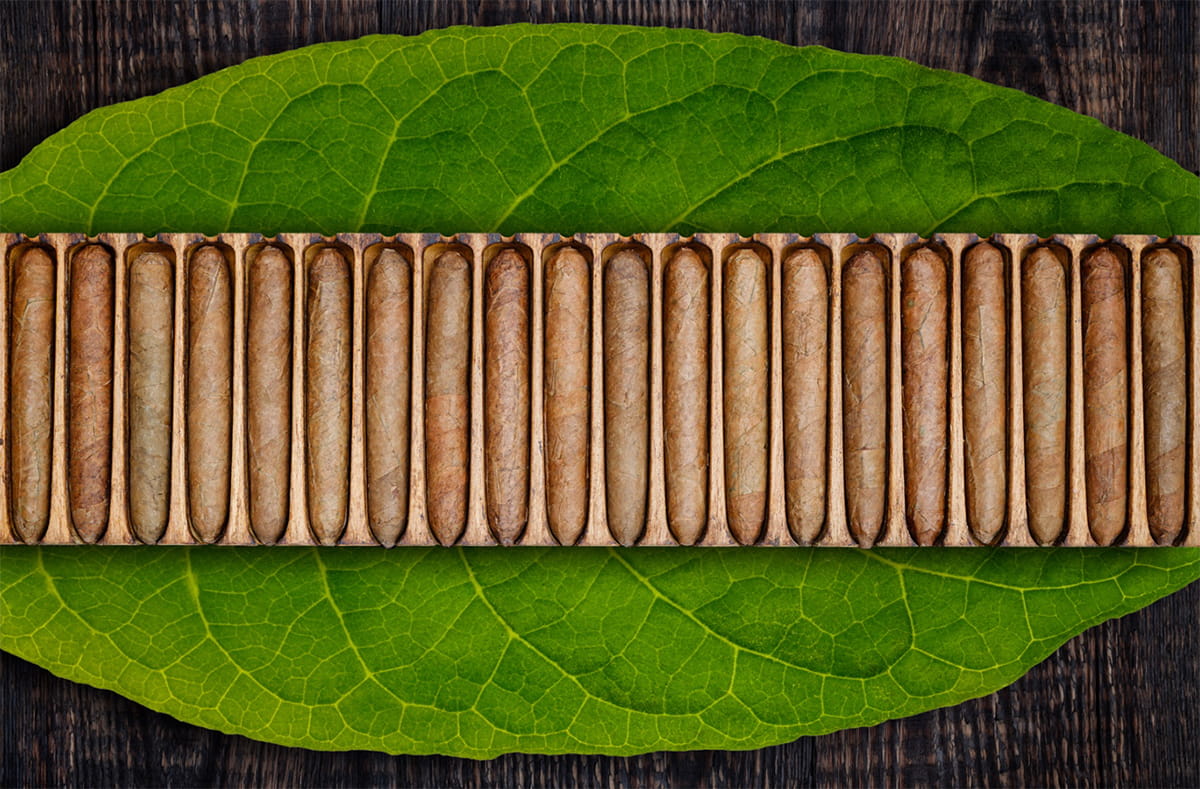
Luxury, in its truest form, begins with a sense of exclusivity, craftsmanship and time. Few products embody these values as profoundly as a premium cigar.
Long before a cigar reaches a humidor in New York or New Mexico, it has already travelled a remarkable journey, typically originating from the Caribbean Basin factories in Honduras, Nicaragua and the Dominican Republic, but with tobaccos from all over the world. From seed to finished cigar, that journey can span five to seven years and involve generations of knowledge, patient craftsmanship and a profound respect for the land.
Yet the story of the origins of tobacco begins much earlier.
While modern premium cigars differ from traditional ceremonial uses of tobacco, they remain connected to the plant’s long cultural history across the Americas. That reverence for the leaf has never entirely disappeared. In many ways, the premium cigar remains one of the most authentic living expressions of this cultural inheritance.
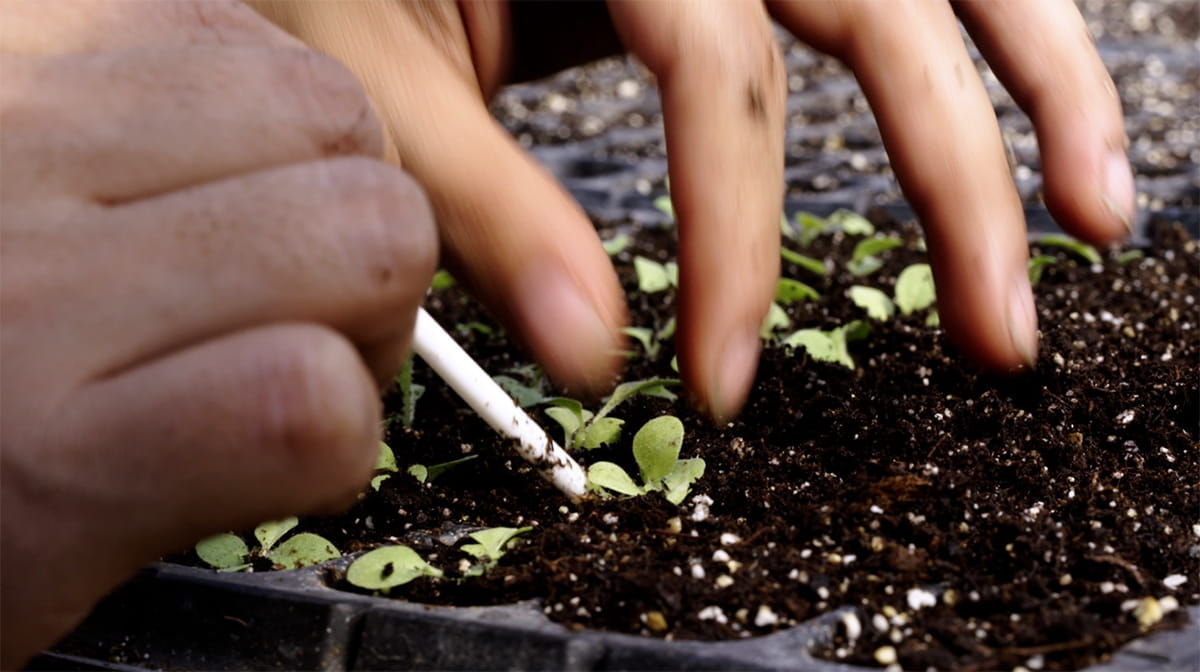
A Craft Written in the Hands of Generations
To step into a tobacco field at sunrise in Nicaragua, Honduras, the Dominican Republic is to witness something deeply profound.
Farmers walk slowly among rows of tobacco plants, studying the leaves with the quiet attentiveness that only years of experience can teach. They know which soils yield the most aromatic tobacco, which leaves require more shade, which harvest will produce a wrapper of exceptional beauty. This is a skill refined over many years and requires both patience and the passion of a skilled artisan.
These lessons are not written down. They are passed from generation to generation.
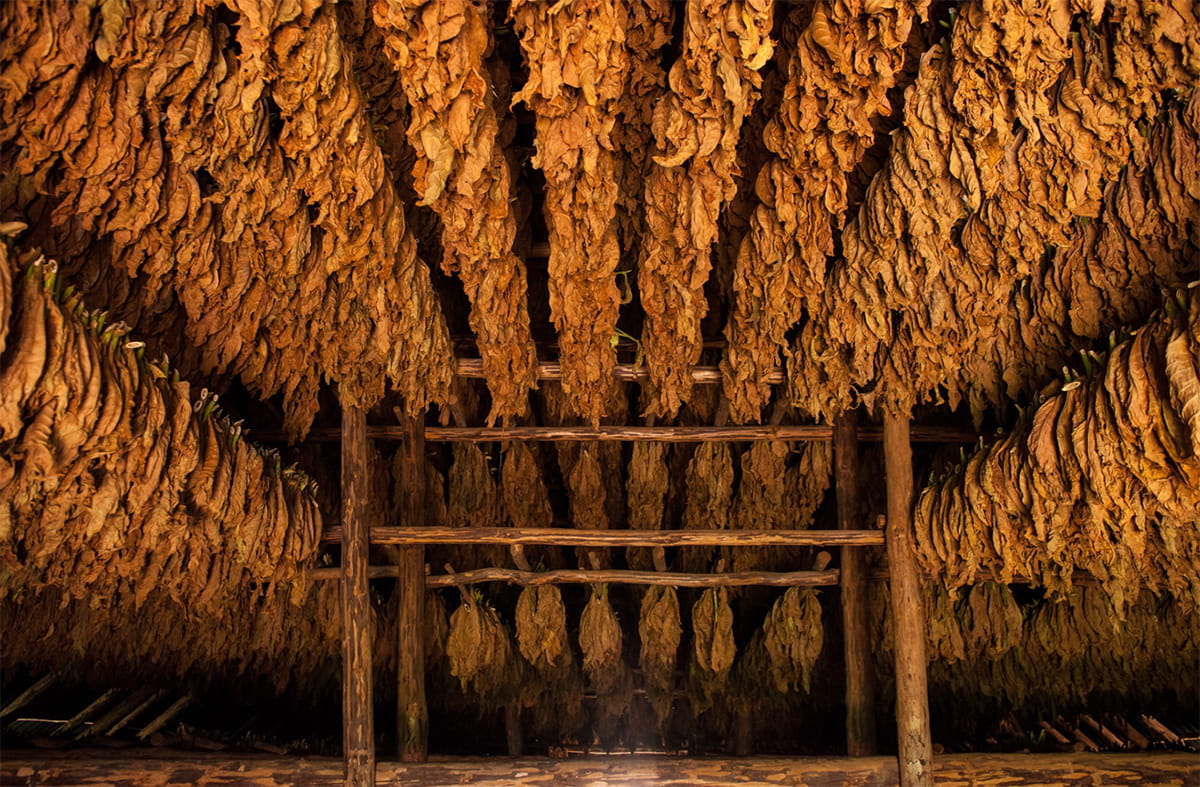
Once harvested, the tobacco begins another long transformation. Leaves are fermented and aged under careful supervision—usually for several years—until they reveal their full character.
Master blenders then bring their vision to life, composing blends that balance strength, sweetness, aroma and complexity. By the time the tobacco reaches a factory, the craft enters another stage. Master blenders compose cigars much like musicians compose symphonies. Each tobacco leaf contributes a different note—strength, sweetness, spice, aroma. The final blend becomes a deeply personal creation.
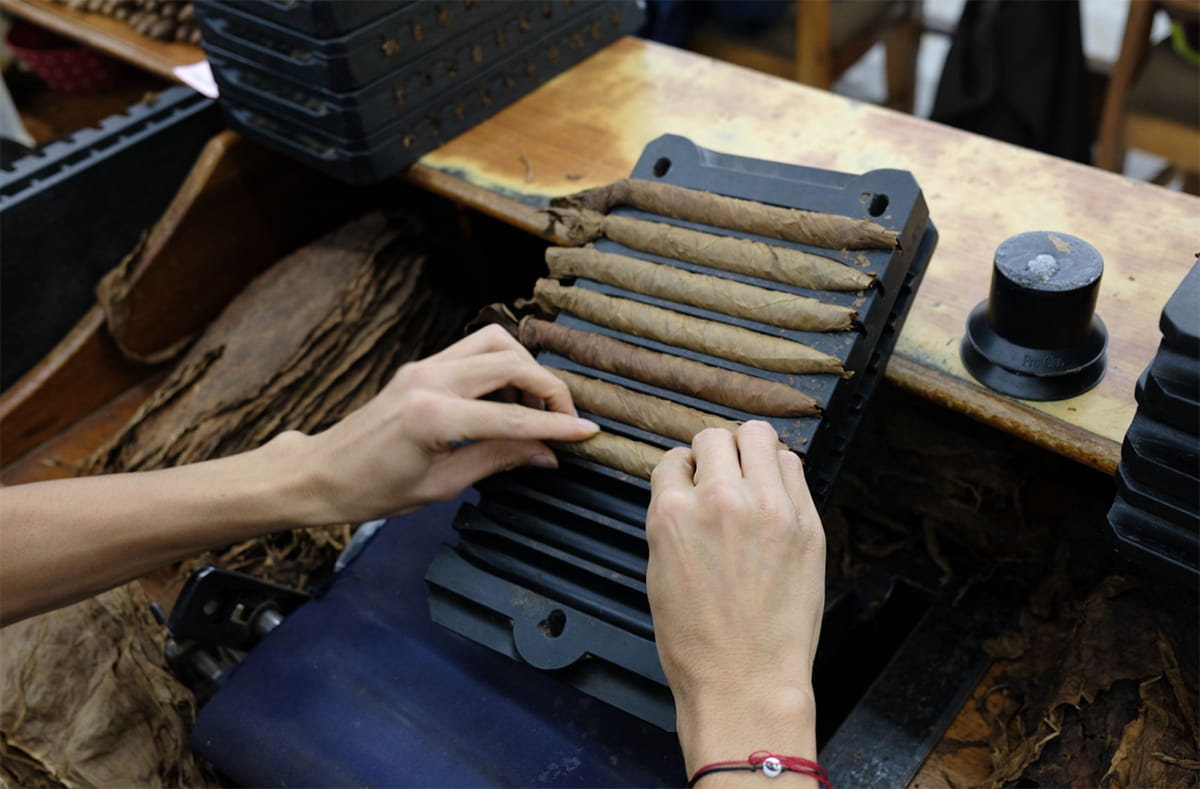
Skilled rollers, often trained for many years, transform individual leaves into cigars with extraordinary precision. Rollers often produce hundreds of cigars a day and with each one the art form is further developed. The repetition of form refines the skill. It is often said within the industry that more than three hundred pairs of hands contribute to the creation of a single premium cigar. Seen through this lens, a premium cigar is not simply manufactured. It is crafted patiently, lovingly and collectively.
In this sense, a premium cigar is poetry made tangible—an emotional expression shaped by history, memory and terroir.
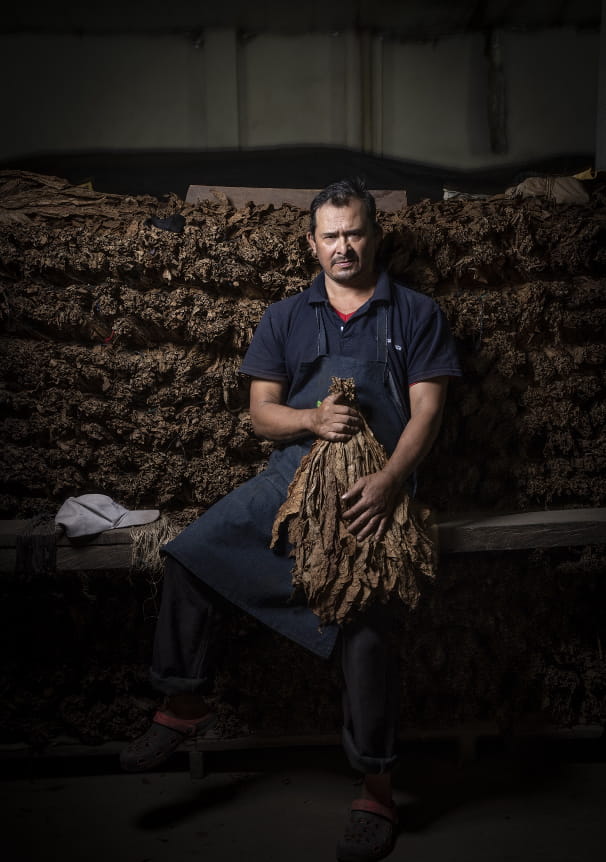
Responsible Luxury Rooted in the Land
Today’s luxury consumer increasingly asks an important question: not only what is being produced, but how.
The premium cigar industry has long understood that its future depends on the health of the land and the well-being of the communities that cultivate it.
Across Latin America and other tobacco-growing regions, farmers are adopting practices designed to preserve the vitality of their soils. Vermiculture, organic fertilizers, crop rotation and biological pest management are becoming increasingly common. These approaches help ensure that tobacco fields remain productive for generations to come. These techniques also ensure that the quality of the tobacco is up to the standard that consumers are accustomed to enjoying in their preferred cigar, blend and vitola.
At the manufacturing level, many cigar factories are embracing modern sustainability practices. Renewable energy systems, improved water management, digital planning tools and lean manufacturing processes help reduce environmental impact while preserving artisanal production.
Yet perhaps the most meaningful dimension of responsible luxury within the cigar world is social.
For decades, cigar companies throughout producing nations have invested directly in their communities. Factories build schools, medical clinics, childcare facilities and housing for employees and their families. Scholarships and education programs help ensure that the next generation has opportunities beyond the factory floor.
One notable example is the Cigar Family Charitable Foundation (CFCF), founded in 2001 by the Fuente and Newman families, which operates a school and community complex near Bonao in the Dominican Republic, providing education, healthcare and social support to hundreds of local families. In Nicaragua, companies are undertaking similar initiatives. At the AJ Fernández Cigars factory in Estelí, for instance, a clinic provides primary medical care to employees, ensuring access to healthcare directly within the workplace.
These efforts are rarely discussed outside the industry, but for the communities that depend on tobacco, they are transformative.
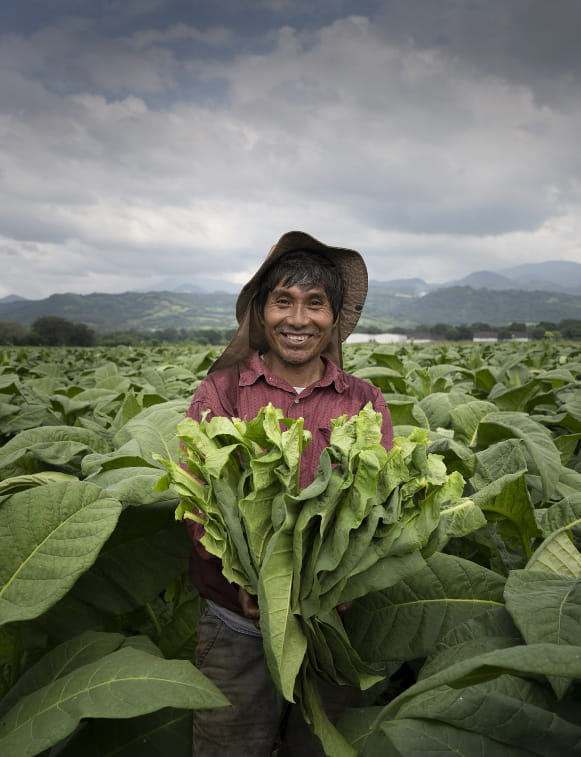
Communities Transformed by Craft
The economic impact of premium cigars becomes particularly visible in places such as Estelí in Nicaragua or Tamboril in the Dominican Republic.
Once modest agricultural towns, these cities have evolved into global centers of cigar craftsmanship. Estelí, often described as the “Silicon Valley of cigars,” now hosts a myriad of factories and supports tens of thousands of direct and indirect jobs.
The industry supports tens of thousands of jobs and has become one of the primary economic drivers of these regions. Entire ecosystems of farmers, box makers, transport companies, printers, designers, retailers and hospitality businesses thrive around the industry. For many families, cigar making is not merely a profession. It is the foundation of livelihood, stability, education and opportunity.
A Bridge to Developed Markets
While the story of the premium cigar begins in the soils of Latin America and other growing regions, its cultural and economic impact extends far beyond the producing nations.
In the United States, premium cigars support vibrant communities of specialty tobacco retailers, manufacturers, ancillary businesses, hospitality venues and specialized lounges. These spaces serve as gathering places where people slow down, share conversation and build relationships.
In many cities, cigar lounges function like modern salons—places where entrepreneurs, artists, diplomats and enthusiasts exchange ideas and stories connected by the bond of the leaf and shared camaraderie.
The economic contributions are also significant. Premium cigars generate substantial tax revenue for governments and the livelihoods of thousands of small business owners across many markets in Main Streets across America.
Equally important is the cultural distinction of the category itself. Independent academic studies, including research funded through the FDA’s tobacco research programs, have found that premium cigars represent a small, niche category consumed primarily by adult consumers.
Understanding this distinction is essential for sensible public policy and for preserving a craft without being overburdened by regulatory approaches designed for mass-market tobacco products based off patterns of other mass-market products.
The Experience of Luxury
In recent years, premium cigars have also found renewed relevance within the broader luxury experience economy.
High-end hotels, private clubs and resorts are rediscovering the cultural, social and revenue value of curated cigar programs. These experiences naturally complement other pillars of the luxury lifestyle—fine wines and spirits, haute horology, bespoke fashion, culinary excellence, music, elite sports and fine art.
What these worlds share is a deep appreciation for craftsmanship and patience.
In an age defined by speed, algorithms and constant digital connection, the ritual of enjoying a cigar invites something rare: stillness.
A cigar cannot be rushed. It demands time. It encourages conversation. It creates space for reflection.
For many enthusiasts, that quiet moment of pause is the true luxury.
Protecting a Living Tradition
For the Premium Cigar Association (PCA), safeguarding this culture is both a responsibility and a mission.
The PCA represents retailers, manufacturers and stakeholders throughout the global cigar ecosystem. Independent tobacconists—often family-owned small businesses—serve as cultural stewards of the cigar tradition, providing education, curated selections and community gathering spaces. The association work spans advocacy, education and cultural preservation—ensuring that the traditions and communities behind premium cigars can continue to thrive.
This includes supporting the livelihoods of farmers and artisans in producing nations, while also defending the small businesses and hospitality establishments that sustain cigar culture in developed markets.
Education is also central to this effort. In 2025, the PCA launched the Luxury Marketing & Experiences Program in partnership with the Chaplin School of Hospitality & Tourism Management at Florida International University (FIU). The executive program explores the business of premium cigars through the lens of luxury branding, marketing, experiential hospitality and cross-industry collaboration with sectors such as fine spirits, gastronomy and fashion.
By connecting students, entrepreneurs and industry leaders, the initiative aims to professionalise the industry while preparing the next generation to steward this cultural tradition with knowledge, creativity and responsibility.
Ultimately, this mission is about more than commerce.
It is about protecting a living tradition.
The Future of the Leaf
In a world increasingly defined by speed and automation, the premium cigar remains one of the few luxury goods that cannot be rushed. It is cultivated, aged, blended and enjoyed on the timescale of patience.
Every cigar tells a story—of land, craft, heritage and human hands working patiently toward excellence. Protecting that culture and story is not simply worthwhile; it is paramount to this luxury product. In an era when luxury consumers increasingly demand authenticity, sustainability, and human craftsmanship, premium cigars offer something rare: a product whose value lies not in speed or scale, but in patience, land, and human skill.