
How Two Immigrants in Their 20s Built a Luxury Brand That Redefined Men’s Grooming
A story of ritual, craftsmanship and the power of grit
Eric Malka
Co-Founder, The Art of Shaving
CEO and Co-Founder, Strategic Brand Investments
May 2026
A story of ritual, craftsmanship and the power of grit
Eric Malka
Co-Founder, The Art of Shaving
CEO and Co-Founder, Strategic Brand Investments
May 2026
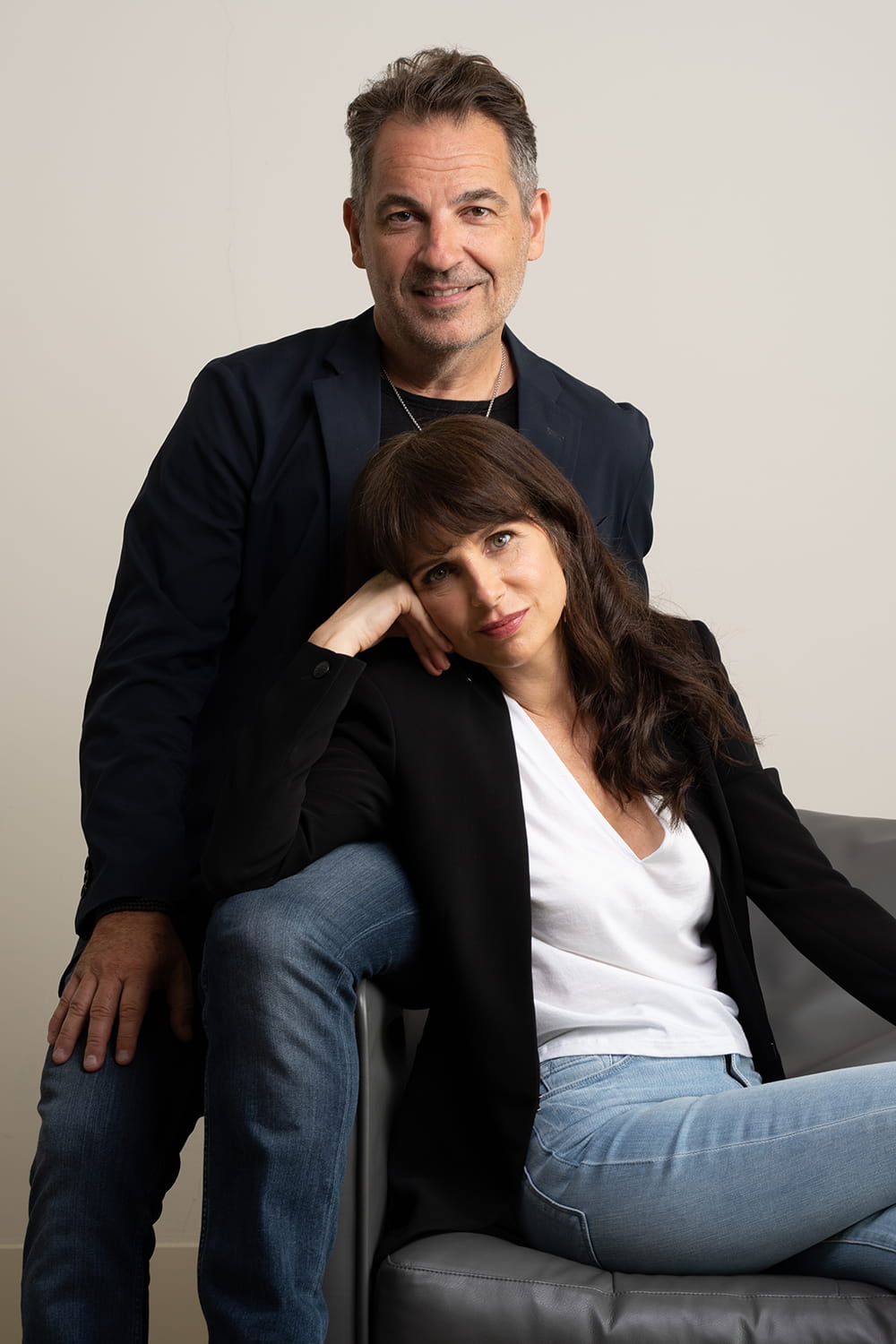
Luxury is often associated with heritage houses, European ateliers and generations of savoir-faire. Ours began in a New York City kitchen — with a small glass bottle of oil and a man whose skin was irritated by shaving.
I was seventeen when I arrived in New York on a Greyhound bus — as an undocumented immigrant, with no money and no formal education. Myriam grew up in Paris and arrived in Miami years later at age 19, also a young immigrant searching for possibility.
We met in Miami, fell in love and six months later moved to New York with the quiet determination of people who have nothing to fall back on except their willingness to build.
In 1996, we sold our car for $12,000 and opened a small shop on Manhattan’s Upper East Side. We called it The Art of Shaving.
We didn’t know we were building a luxury brand. We simply wanted to do things right.
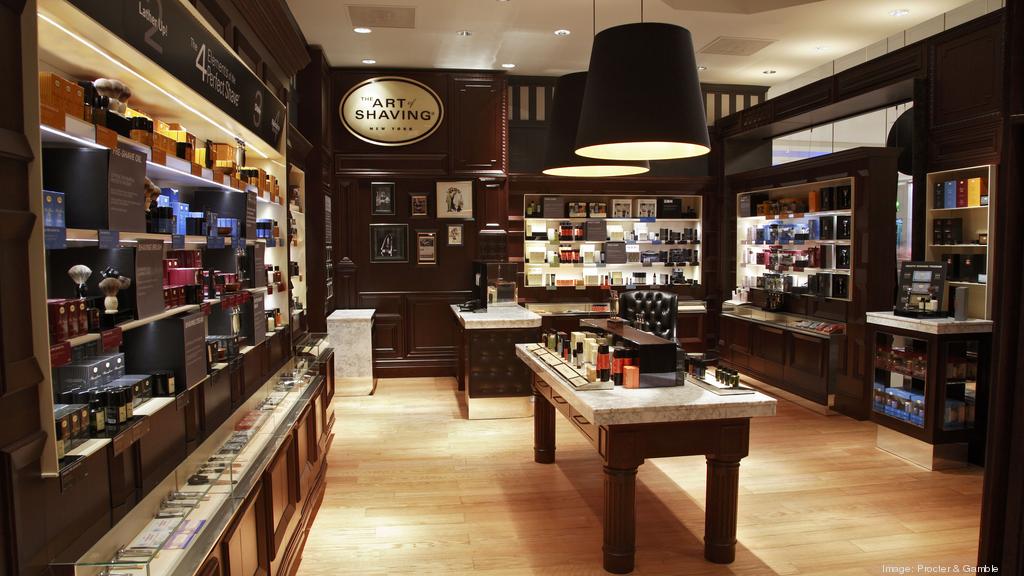
The shop was small and intimate, decorated meticulously by Myriam like a European apothecary. Dark wood shelves lined the walls. Porcelain shaving bowls sat beside badger brushes. Straight razors gleamed under soft lighting.
There was the subtle scent of masculine perfume in the air — sandalwood, lavender, a whisper of citrus. Nothing synthetic, nothing loud. Customers often paused at the entrance, unsure if they had walked into a store or a private club.
In the back, we installed two barber chairs. A hot towel, the glide of a straight razor, the slow rhythm of a practiced hand of our Russian master barbers — this was our elevated Gentlemen Barber Spa.
Luxury reveals itself slowly through the customer journey with atmosphere, details and care.
Many iconic brands are built by complementary duos: vision paired with craft; strategy paired with product obsession. Luxury often emerges when emotional intelligence meets operational rigor.
Ours was a similar balance.
Before there was a brand, there was discomfort. My skin reacted badly to shaving creams filled with foaming agents and synthetic fragrance. Myriam, a self-taught scientist with a deep passion for natural health, began blending botanical oils in our kitchen — olive, castor, essential oils — searching for a way to protect the skin before the blade touched it.
The first pre-shave oil was poured by hand into simple, elegant green glass bottles. It felt silky, almost weightless. When applied, it transformed shaving from abrasion into glide.
I had already launched three businesses starting at age 19. When I saw how well the oil worked, I immediately recognized the opportunity. We discovered a better way to treat men’s skin through shaving.
That combination — her formulation expertise and my entrepreneurial drive — became the foundation of everything that followed. That sensory transformation — how something feels, how it moves on the skin — was our first lesson in luxury.
It was tactile and aromatic.
Men began coming regularly to pick up their favorite grooming products and to sit in our barber chair where they found calm inside New York City’s chaos. During those shaves, stories emerged.
“The last time I had a shave like this was on my wedding day.”
“My father used to take me to the barber every Saturday.”
As marketers, we realized we had touched something deeper than grooming. Consultants later explained it clearly: we had tapped into a ritual — the highest level of emotional connection between a brand and its customer.
Shaving is one of the oldest masculine rituals. It is intimate, repetitive, almost meditative. By slowing it down, by adding craftsmanship and care, we allowed men to reconnect with memory, lineage and self-care.
Luxury brands endure by elevating rituals that already exist. Luxury often lives in deep emotional systems.
From natural formulations to packaging to store design, Myriam became the guardian of the brand’s aesthetic and sensory integrity. We called her “the brand police.” The weight of the bottle in the hand. The resistance of the cap when it closed. The thickness of the paper used for packaging. The tone of the colors on the labels.
Everything was intentional.
Some would call that micromanagement. In luxury, it is stewardship. In luxury, compromise is louder than marketing. A slightly cheaper material, a rushed design decision, an overlooked finish — the customer may not articulate it, but they feel it.
Certain responsibilities can never be fully delegated, no matter how large a company becomes. Precision, coherence and aesthetic integrity are not operational tasks; they are brand DNA.
On my side, the obsession centered on business excellence — especially people — employees, vendors and customers. We built deep partnerships with suppliers, developed a strong internal culture and trained staff to behave like owners, to deliver exceptional customer experiences.
We built our company one customer at a time.
Luxury is built through strong collaboration, respect for craftsmanship and a shared commitment to excellence across all customer touchpoints.
I was not passionate about shaving. Like most men, I considered it a chore. But entrepreneurship allows you to blur the lines between business, personal philosophy and lifestyle. You can infuse even the most mundane category with meaning.
We didn’t just want to sell shaving products. Our deeper purpose was helping men be healthier — reducing irritation, eliminating harsh chemicals and elevating a daily routine into a moment of self-care.
Luxury, in our view, is art more than indulgence.
We elevated shaving to an art form by focusing on quality materials, elegant packaging and timeless design. We introduced plant-based ingredients and removed aggressive synthetic chemicals long before “clean grooming” became a trend. We designed stores that felt more like classic European apothecaries than retail shops.
From day one, we were building an experience, a ritual and a feeling.
Before we scaled, we built culture and processes. Before we expanded distribution, we obsessed over customer experience. Before we diversified the line, we made sure the product quality was exceptional.
As the brand expanded, we faced a tension familiar to luxury houses: how to scale without losing the magic. We resisted rapid mass distribution. We chose partners carefully. We trained barbers and retail staff not only in technique but in etiquette and presence.
We protected the environments where the brand appeared. A poorly lit shelf or indifferent salesperson could undo years of work. Growth, for us, was never about reach alone. It was about maintaining brand integrity.
Growth in luxury is not only about numbers. It is about control of brand environment.
In the early years, tastemakers, editors, stylists, quietly found us. Word traveled quickly through customers, the media and backstage rooms.
When a man accustomed to the world’s finest tailoring and watches chooses your shave oil, you understand that luxury recognition does not begin with scale — it begins with discernment.
We focused on creating something worthy of discovery.
We were obsessively customer-focused, constantly listening, adjusting and refining. Innovation was a mindset deeply ingrained in our culture. Every improvement — in formulation, packaging, service, or design — was an opportunity to raise the standard towards mastery.
Over time, we realized we were less passionate about the shaving category itself and more passionate about how we did business. We were in the business of care, ritual and sensory experience. That mindset — a purpose-driven brand with product first — is what ultimately defines luxury.
Looking back, our journey taught us that luxury is created by discipline and belief in pursuit of excellence.
Luxury brands are built when:
Two young immigrants with no capital and no industry connections were able to build a global luxury brand because we treated every small decision from the customer’s point of view and in their best interest.
Luxury is often imagined as something inherited. Our experience taught us it can also be built — patiently, precisely and without compromise.
It begins with how something feels in the hand, how a room smells when you enter, how a daily routine becomes a moment of intention.
We didn’t set out to revolutionize men’s grooming. We simply believed men deserved better — and we were willing to obsess over delivering it.
That, in the end, is the real art of brand building.