
Beyond Moments: Designing for Change
By Deepak Ohri
CEO and Founder, Luxury Atelier Maison Happiness (LAMH)
Chairman of Pino Global Entrepreneurship Executive Board
May 2026
By Deepak Ohri
CEO and Founder, Luxury Atelier Maison Happiness (LAMH)
Chairman of Pino Global Entrepreneurship Executive Board
May 2026
What drives lasting value in luxury is no longer spectacle, but it is transformation. The shift across hospitality, real estate and experience-led businesses is clear: people are not seeking louder, bigger, or more visible expressions of luxury. They are seeking environments that change how they feel, think and live.
Luxury today operates as a design discipline centered on human transformation. It is about engineering experiences that elevate individuals: mentally, emotionally and physically.
This requires a different business lens. The relevant question is how effectively luxury can transform. Does it restore clarity? Does it reduce noise, both literal and psychological? Does it create space for better decisions, deeper connections and a stronger sense of self?
The most successful luxury ecosystems are already answering these questions through intentional design.
Consider Orange County and Napa Valley. Both regions command global attention, not through excess, but through restraint. They represent some of the most refined executions of luxury design in the world.
In Orange County, the environment is engineered for fluidity and calm. Coastal architecture, open layouts and seamless transitions between indoor and outdoor spaces create a sense of effortless living. Every element: from traffic flow to service culture is designed to remove friction. The outcome is comfort and also mental clarity.
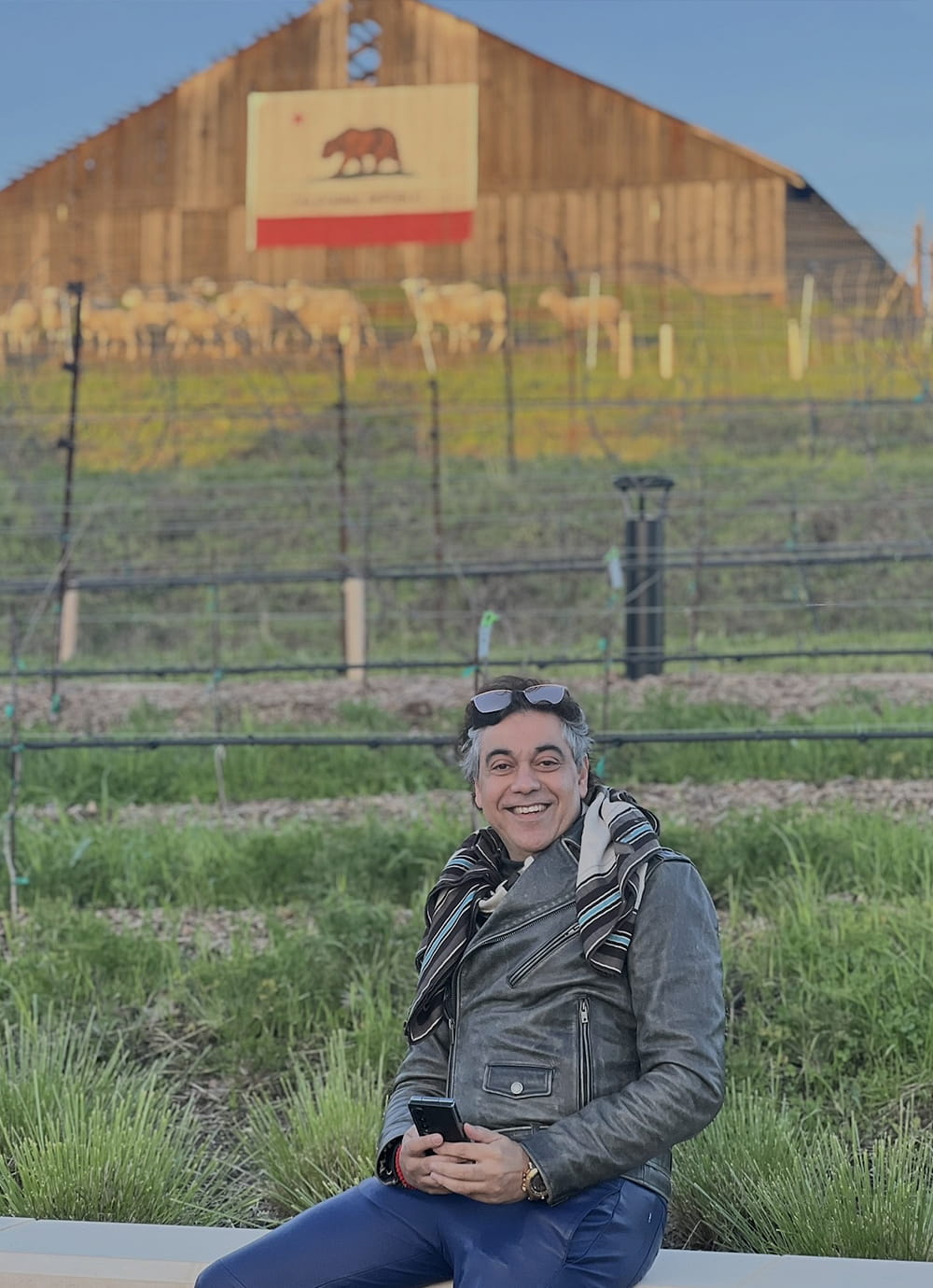
Napa Valley operates on a different but equally intentional model. Here, time slows down. The landscape itself becomes the primary design element; vineyards, rolling hills, early morning fog. Wineries and hospitality spaces are structured to encourage lingering. Tastings are paced. Architecture blends into the environment rather than competing with it. The business insight is clear: when people are given space and time, their engagement deepens and so does their willingness to invest, emotionally and financially.
Both markets demonstrate that quiet luxury is not passive but highly engineered and the ultimate expression of luxury.
Transformation does not happen by accident. It is the outcome of layered decisions across design, service and operational strategy.
Human-centric design in luxury begins with understanding stressors. Modern life is defined by constant visibility, digital noise and compressed time. Designing against these pressures becomes a competitive advantage.
This is where silence becomes an asset.
Silence in design is control. It is the intentional removal of excess inputs. In physical spaces, this translates into acoustics, material choices and spatial separation. In service, it translates into anticipation rather than interruption. In brand, it translates into confidence without the need for validation.
Businesses that understand this are not designing for attention. They are designing for recovery.
True luxury design is multi-sensory. It must engage all five senses to create meaningful and lasting change.
In Napa Valley, this is evident in the integration of wine, landscape and architecture. In Orange County, it appears in the interplay between ocean air, light and spatial openness. These are not incidental features; they are designed systems intended to shift how a person experiences the world.
Many clients already possess exceptional homes, art collections and material assets. The objective is not to exceed those possessions, it is to move them beyond their existing frame of reference.
One of the most undervalued yet powerful components of modern luxury is privacy.
In an environment where everything is shared, tracked and visible, privacy becomes both protection and privilege. It is central to the experience.
Designing for privacy requires more than secluded locations. It involves:
Privacy enables authenticity. When individuals feel unobserved, they behave differently. They relax. They connect more honestly. They make clearer decisions. From a business perspective, this leads to stronger relationships and long-term loyalty.
Luxury today is a fully integrated ecosystem.
This shift reflects a broader movement toward human-centric design.
Interestingly, this human-centric approach that is about the perfection of imperfection—spaces and experiences that feel real, grounded and emotionally resonant. In a digital world defined by filters, automation and uniformity, authenticity becomes the differentiator.
The tactile, the imperfect, the human: these elements create connection.
A critical evolution in luxury is the transition from episodic experiences to continuous living systems. Customers are no longer looking for temporary escape. They are looking for alignment, environments that support their daily lives in meaningful ways.
Luxury requires designing for silence in a noisy world, for privacy in a transparent one and for transformation in a time of distraction. It requires a deep understanding of human behavior and a disciplined approach to execution.
The most successful brands will be those that recognize luxury as a catalyst, one that shapes how people think, feel and evolve.
Luxury is about what people become.
Designing for that outcome demands a commitment to human-centric thinking, multi-sensory engagement and the courage to move beyond conventional definitions of value.
Because the future of luxury does not lie in creating more moments.
It lies in designing change. Because the most valuable outcome is the person who emerges from it, more focused, more grounded and more connected than before.